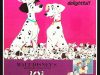
When 101 Dalmatians premiered in January 1961, few could have predicted just how influential the spotted newcomers would become. Sixty-five years later, the film stands not only as one of Disney’s most beloved animated features, but as a turning point that reshaped the studio’s artistic future. We include a brief history of the film, its unique approach to animation, its influence over the years and of course look at a few related collectables.
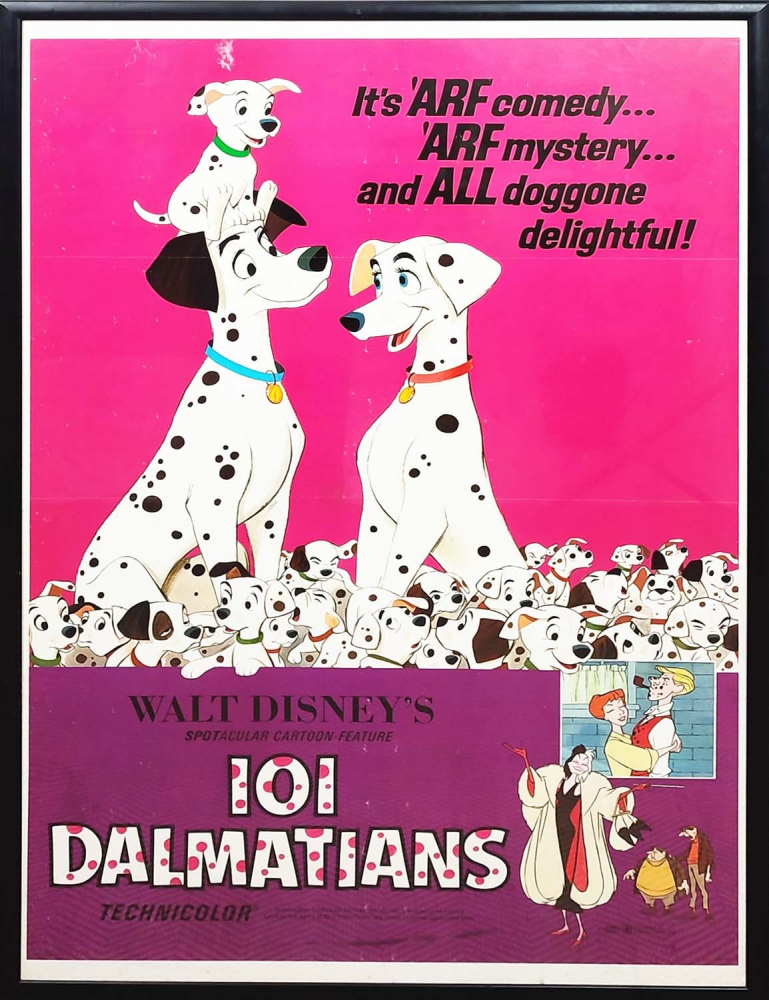
At first glance, 101 Dalmatians is a classic adventure: a pair of devoted dogs, Pongo and Perdita, set out across wintry England to rescue their stolen puppies from one of cinema’s most infamous villains. Yet behind the charm and suspense lies a production story marked by financial pressure, technical innovation, and bold creative choices.
The film arrived at a challenging moment for Walt Disney Productions. The lavish, hand-inked animation style of earlier features such as Sleeping Beauty (1959) had pushed costs dangerously high, and the studio needed a more economical way forward. The solution came in the form of xerography, a process that transferred animators’ pencil drawings directly onto animation cels. This eliminated the need for traditional inking and gave the film its distinctive sketch-like look.
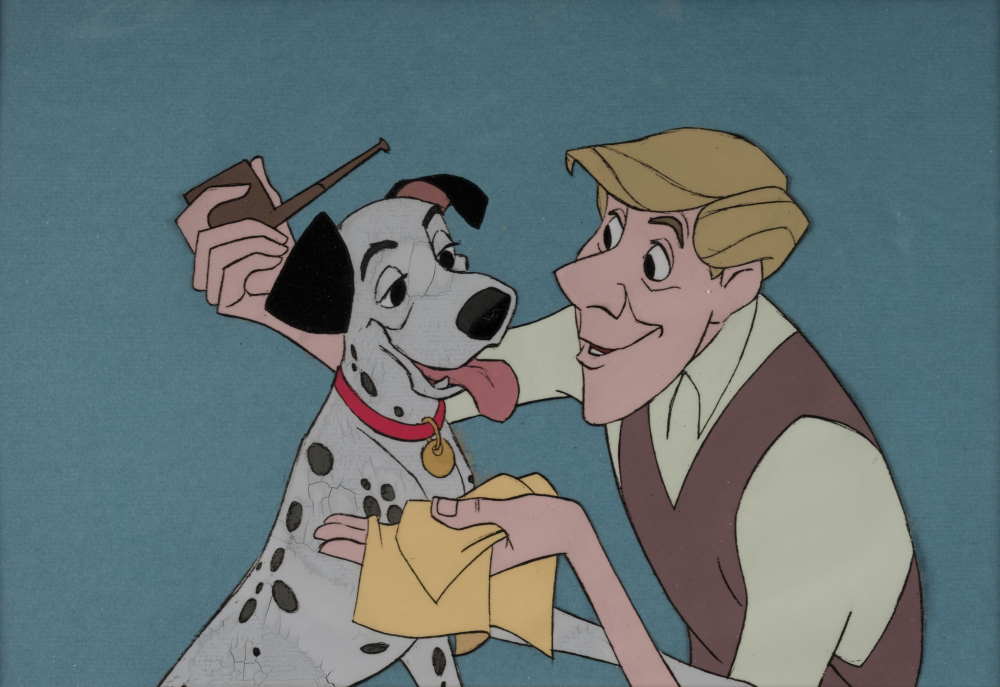
Rather than disguising the rougher lines, the artists embraced them. The result was a visual style that felt modern, graphic, and energetic—perfectly suited to a story filled with motion, chaos, and, of course, dozens upon dozens of dogs. The approach not only saved money but set the visual tone for Disney animation throughout the 1960s and 1970s.
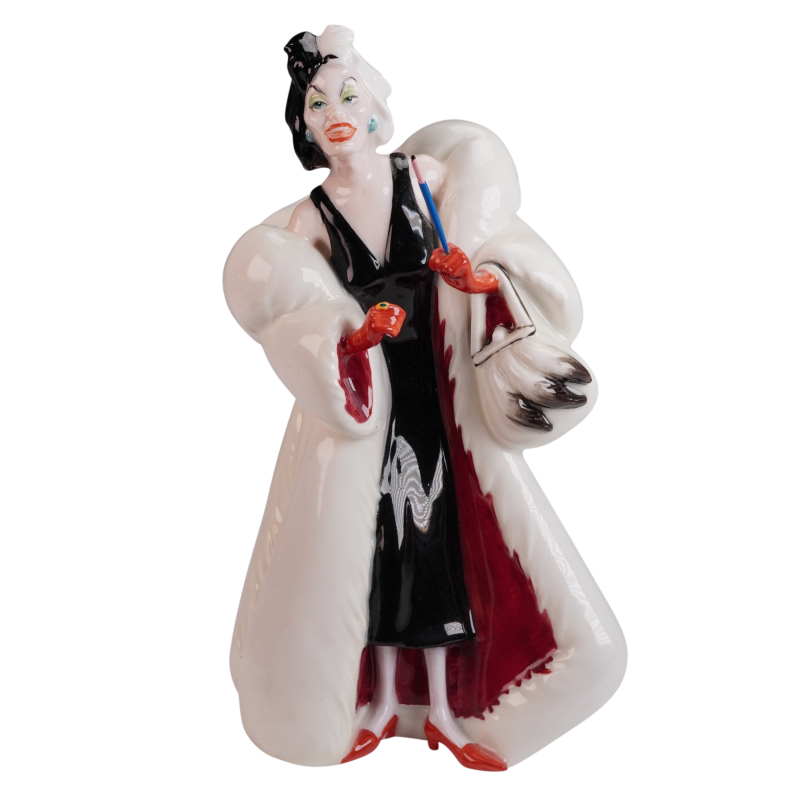
The story itself was adapted from Dodie Smith’s 1956 novel The Hundred and One Dalmatians, relocated firmly to contemporary Britain. London is not a fairytale backdrop here; it is grey, chilly, and urban. This grounded setting made the extraordinary events feel oddly plausible, from the twilight bark communication network to the perilous journey across the countryside.
Then there is Cruella de Vil. Voiced by Betty Lou Gerson, Cruella burst onto the screen with a cigarette holder, a fur-obsessed fixation, and a name that left little to the imagination. She was unlike any Disney villain before her: fashionable, unhinged, and unsettlingly human. Decades later, she remains a cultural touchstone, inspiring everything from runway collections to live-action reinterpretations.
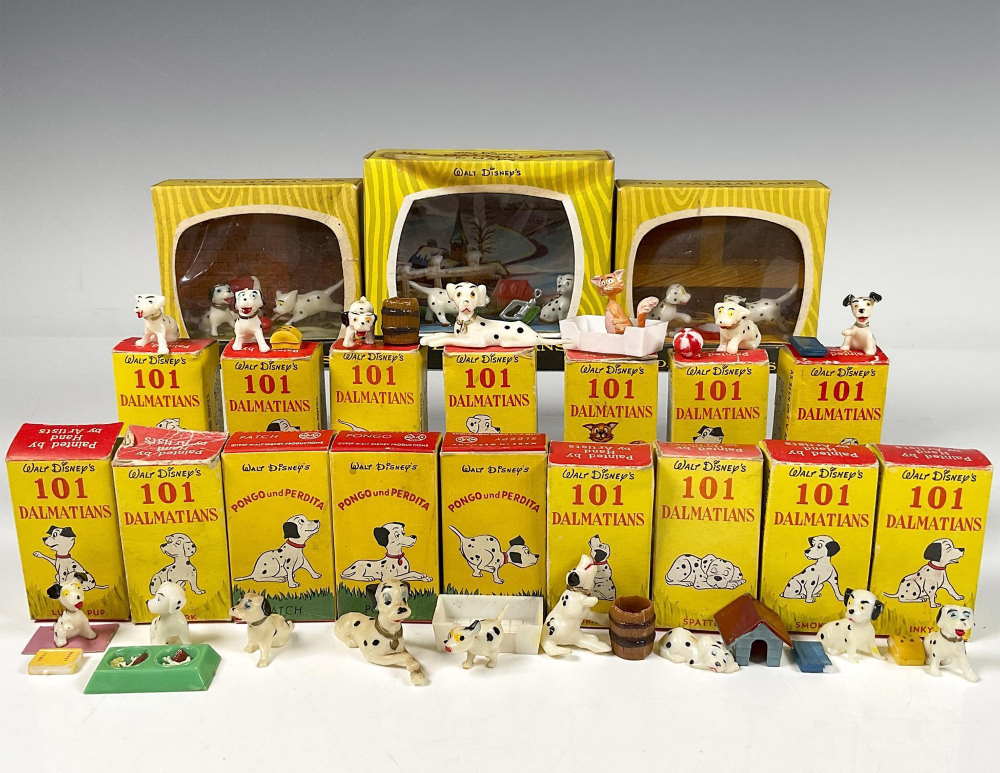
Despite its initial success, 101 Dalmatians truly grew into its legacy over time. The 1961 release was followed by reissues, sequels, television adaptations, and one of Disney’s most successful live-action remakes in 1996, which introduced a new generation to the puppies and their relentless pursuer. Merchandise, theme park appearances, and anniversary celebrations have kept the film firmly in the public imagination.
Yet perhaps the film’s greatest legacy lies behind the scenes. By proving that innovation could be both artistically rewarding and commercially viable, 101 Dalmatians ensured Disney animation survived a precarious era. It bridged the gap between the studio’s golden age and its later renaissance, all while delivering a story that remains funny, tense, and surprisingly stylish.
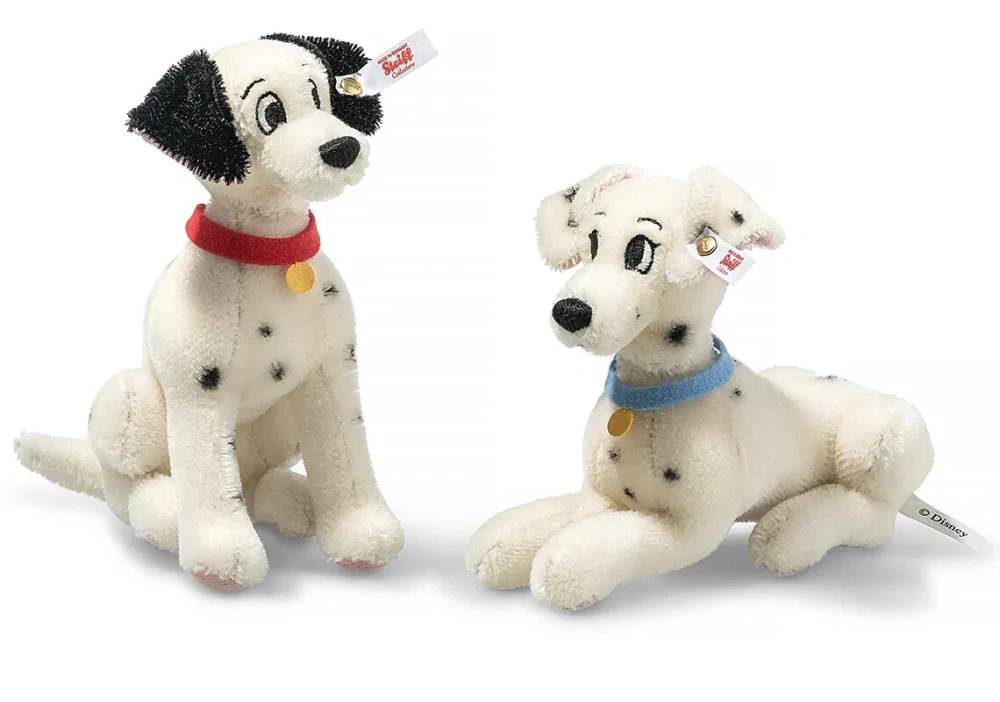
Sixty-five years on, the puppies still run, Cruella still fumes, and those scratchy pencil lines continue to feel fresh. Not bad for a film that once began as a financial necessity—and ended up changing animation history.
Related
Disney’s 101 Dalmatians Related Connections Puzzle
Disneykins – The Disneykins Story